Social Anxiety Therapy in NYC for Perfectionism, Overthinking & Fear of Judgment
Stop overthinking every interaction—and feeling like you have to get it “just right.” Social anxiety and perfectionism can make everyday moments feel high-stakes, leaving you replaying what you said long after it’s over.
At Aspire Psychotherapy, we help you break the patterns that keep social anxiety going. Our approach is active, structured, and grounded in evidence-based care. Your first step is a structured 30-minute intake with our Clinical Director, who will match you with the right therapist for your needs.
Social Anxiety Therapy in NYC and the Hudson Valley at Aspire Psychotherapy
Social anxiety isn’t just about feeling nervous around people. It often feels like you’re being watched, evaluated, or judged—and that everything you say or do has to be “just right.”
You might find yourself replaying conversations long after they’re over, second-guessing how you came across, or avoiding situations altogether because the pressure feels too high. Over time, social interactions can start to feel more like performances than genuine connection.
At Aspire Psychotherapy, many of the people we work with aren’t just struggling with social anxiety—they’re also dealing with perfectionism. A constant pressure to get things right, avoid mistakes, and protect themselves from judgment.
Our approach to therapy is structured, active, and grounded in evidence-based care (learn more about our therapy services in NYC). We help you understand what’s happening in your mind and body, and give you tools to step out of the cycle so you can feel more like yourself around others again.
What Social Anxiety Feels Like
Social anxiety (also called social phobia) is one of the most common forms of anxiety and it often overlaps with broader patterns of worry, stress, and overthinking. It can show up in different ways but often includes:
Constantly thinking about how you’re coming across
Replaying conversations and interactions afterward
Fear of saying the wrong thing or being judged
Avoiding social situations or speaking up
Feeling “on edge” or self-conscious around others
Difficulty being fully present in conversations
For some people, this also comes with physical symptoms like a racing heart, sweating, or feeling frozen in the moment.
The Perfectionism Trap
For many people, social anxiety is deeply tied to perfectionism where interactions start to feel like something you have to get exactly right (learn more about social anxiety and perfectionism).You might believe:
“If I say the wrong thing, people will judge me”
“I need to come across a certain way”
“I can’t afford to mess this up”
Perfectionism can feel protective. It promises that if you get everything right, you’ll avoid rejection or embarrassment. But over time, it creates more pressure, more overthinking, and more anxiety.
You might find yourself:
Rehearsing conversations in your head
Over-preparing or over-explaining
Trying to control how others perceive you
Staying quiet to avoid getting it wrong
These patterns don’t mean something is wrong with you—they’re strategies your brain developed to try to keep you safe. But they also make it harder to feel relaxed, authentic, and connected.
Why Social Anxiety Feels So Intense
Social anxiety activates your body’s threat system even when you’re not actually in danger. Your brain treats social situations like high-stakes environments, triggering a fight-or-flight response:
your heart speeds up
your thoughts race
your body feels tense or frozen
At the same time, your mind is evaluating:
“How am I coming across?”
“Did I say that wrong?”
“What are they thinking about me?”
This combination of physical anxiety + mental pressure creates a cycle where the fear of judgment actually makes social situations feel more overwhelming. This may be especially relevant for those with work anxiety or performance anxiety, leading to hours spent on overpreparation, reviewing emails and documentations before submission, and feeling panic before getting reassurance or positive feedback from colleagues.
For some people, this also comes with physical symptoms like a racing heart, sweating, or feeling frozen in the moment. In some cases, social anxiety can also trigger symptoms similar to panic attacks.
Is It Social Anxiety, ADHD, or Something Else?
For some people, social anxiety doesn’t exist on its own. It can overlap with patterns like ADHD, OCD, autism, or learning differences, where challenges with focus, processing, or social communication can make interactions feel more effortful or unpredictable.
For many people, social anxiety is not just internal—it’s shaped by real experiences in the world. Individuals who are LGBTQIA+, transgender or nonbinary, BIPOC, immigrants, or who hold multiple identities may have experienced being judged, excluded, or made to feel different in ways that are real and impactful. In these cases, social anxiety isn’t a sign that something is wrong with you. It’s often a response to environments that haven’t always felt safe, predictable, or accepting.
In these cases, the anxiety often develops as a response that tries to manage, compensate, or avoid situations that are real threats or feel harder to navigate.
At Aspire Psychotherapy, we don’t just treat symptoms—we help you understand what’s driving them. In addition to therapy, we offer psychological testing in NYC to help clarify whether your experience is primarily anxiety-based, or connected to attention, processing, or neurodevelopmental differences. For many people, getting clear answers changes everything. It allows treatment to be more targeted, more effective, and more aligned with how your brain actually works.
Common Triggers for Social Anxiety in NYC
In New York City, certain environments can intensify social anxiety:
High-pressure work environments
Meetings, presentations, and performance expectations can make interactions feel high-stakes.
Social comparison
Being surrounded by high-achieving peers can increase self-doubt and pressure.
Constant interaction
Networking, social events, and crowded spaces can feel draining and overwhelming.
Academic and performance pressure
School, presentations, and expectations can increase fear of being evaluated.
These situations don’t cause social anxiety on their own, but they can amplify patterns that are already there.
How Therapy for Social Anxiety Can Help
Social anxiety is highly treatable, and therapy can help you break the cycle.
At Aspire, we use evidence-based approaches including Cognitive Behavioral Therapy (CBT), exposure therapy for anxiety, and work targeting perfectionism and overcontrol. We may also incorporate biofeedback training for stress management to help regulate your physiological response to stress and reduce the intensity of anxiety in real time.
Treatment may include:
Cognitive Behavioral Therapy (CBT)
Exposure Therapy
Work targeting perfectionism and overcontrol
Biofeedback for stress regulation
Treatment focuses on helping you:
Understand and challenge the thoughts that fuel anxiety
Reduce overthinking and self-criticism
Gradually face situations you’ve been avoiding
Build confidence in real-world interactions
Feel more present and less self-focused
Many people try to cope with social anxiety by avoiding situations or trying to control every detail—but this often keeps the cycle going. Therapy helps you step out of those patterns and learn, through experience, that you don’t need to be perfect to be accepted. Over time, social situations feel less threatening, and more manageable.
Meet Our Clinical Directors
At Aspire, your care is guided from the very beginning. Every client starts with a comprehensive intake led by Dr. Anya Scolaro, where we assess your symptoms, history, and what has or hasn’t worked in the past.
From there, we determine the most effective treatment approach and match you with a therapist whose expertise aligns with your needs. Throughout your care, our Clinical Directors remain involved behind the scenes to ensure your treatment stays focused, evidence-based, and effective.

Dr. Anya Scolaro, Psy.D. (she/her), Clinical Director
Dr. Scolaro specializes in diagnostic assessment and treatment planning, helping clients differentiate between anxiety, panic, OCD, and related conditions to ensure they receive the most effective care. She also provides psychological testing to support accurate diagnosis and personalized treatment.

Brie Scolaro, LCSW, (they), Co-Director
Brie brings over 30 years of experience in high-level sports performance and specializes in helping athletes, working professionals, and students manage anxiety in high-pressure environments. Their work shapes Aspire’s performance-focused approach, integrating CBT, ACT, and biofeedback to improve both mental and physiological regulation so clients can function more effectively under stress.
Frequently Asked Questions
What is social anxiety?
Social anxiety is a pattern of intense fear or discomfort in social situations, often driven by fear of judgment, embarrassment, or doing something “wrong.”
Is social anxiety the same as being shy?
No. While shyness is a personality trait, social anxiety involves significant distress, overthinking, and avoidance that can interfere with daily life.
How is perfectionism related to social anxiety?
Perfectionism can increase social anxiety by creating pressure to say and do everything “perfectly,” which makes interactions feel high-stakes and increases fear of judgment.
What is the best therapy for social anxiety?
Cognitive Behavioral Therapy (CBT) and exposure therapy are among the most effective treatments. They help reduce fear, change thinking patterns, and build confidence in social situations.
Can social anxiety go away with therapy?
Yes. With the right treatment, many people experience significant reductions in anxiety and feel more comfortable and confident around others.
Do you accept insurance?
We are an out-of-network practice. You pay for sessions directly, and many clients receive partial reimbursement through their insurance plan. We provide a superbill and guidance to help you check your benefits.
Get Support for Social Anxiety in NYC
If social situations feel exhausting, high-pressure, or something you have to “get right,” you don’t have to keep navigating that on your own. Therapy can help you feel more comfortable being yourself—without constantly overthinking, analyzing, or second-guessing.
At Aspire Psychotherapy, we provide structured, evidence-based treatment for social anxiety in NYC, including CBT, exposure therapy, and work targeting perfectionism and overcontrol. Your first step is a structured 30-minute intake with our Clinical Director, who will get to know you and match you with the right therapist for your needs.
What Our Clients Have to Say
“After suffering my whole life and then having what I’d constitute as a mental breakdown, I’m living generally an anxiety free life without using medication.”
“I was having anxiety, panic attacks and insomnia last year and started seeking help. I am now a much more balanced, mindful and calm person who feels empowered with an armada of useful strategies and techniques to manage and regulate stressful situations in my life.”
“Dr. Scolaro is an incredibly gifted therapist who has helped me learn and practice vital CBT skills that have changed my life”


Office Locations in NYC and the Hudson Valley
We offer telehealth and hybrid therapy sessions at two locations in New York State. Reach out today to schedule your intake appointment and start seeing your therapist remotely or in-person.
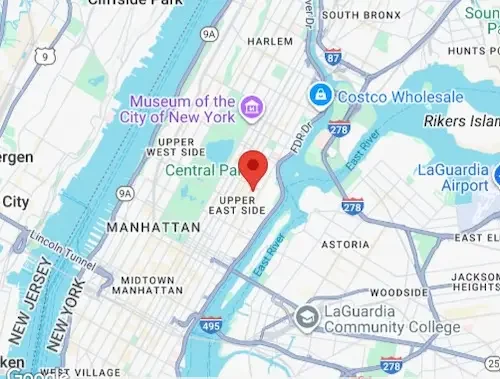
Upper East Side Office - Manhattan
312 E 85th St Suite 1A, New York, NY 10028

Hudson Valley Office - Stone Ridge
Healing Arts Center, 3457 Main St Floor 2, Stone Ridge, NY 12484