Struggling with insomnia or sleep issues?
Whether you’re struggling with falling asleep, overthinking at bedtime or waking up feeling exhausted, therapy can help. Begin Cognitive Behavioral Therapy (CBT) for Insomnia, an 6-8 session intervention with a 70%-80% success rate.
Your first step is a structured 30-minute intake with our Clinical Director, who will conduct a brief assessment and partner you with one of our sleep specialists. Begin In-Person or Virtually this week.




Begin Cognitive Behavioral Therapy (CBT) for Insomnia
You are tired of feeling the chronic exhaustion and overwhelm that comes with poor sleep. You may even dread the idea of going to bed and experiencing yet again another night of tossing and turning, or laying awake in bed overthinking yet again.
You are aware that you need to sleep in order to feel your best, mentally and physically, but the pressure to sleep can actually get in the way of your sleep goals.
That is where Cognitive Behavioral Therapy (CBT) for Insomnia can help. CBT-I is a highly structured, short-term therapy that provides sustainable relief.
What does CBT-I focus on?
CBT-I focuses on the relationship between how you think, what you do, and how you sleep. In treatment, a trained provider works with you to identify the thoughts, emotions, and habits that may be keeping insomnia going.
You will look closely at your beliefs about sleep and test whether they are accurate or helpful. At the same time, your daily and nighttime behaviors are reviewed to see if they support or interfere with sleep. From there, your provider helps you shift unhelpful patterns into ones that make restful sleep more likely. Most people complete CBT-I in about 6 to 8 sessions, though the timeline can vary based on your needs.
Sessions typically include a mix of cognitive, behavioral, and educational work:
Cognitive strategies: Reshaping unhelpful or inaccurate thoughts about sleep
Behavioral strategies: Building consistent sleep habits through techniques like stimulus control, sleep restriction or compression, and relaxation practices
Education: Learning how thoughts, emotions, and behaviors interact to influence sleep and insomnia
This structured, skills-based approach is designed to create lasting changes in how you sleep.
Sleep issues are not unique to insomnia. While Insomnia Disorder is classified as it’s own disorder in the DSM-5, sleep can be disrupted for a variety of reasons. This includes
Mood disorders like anxiety, depression and bipolar
Health related disorders like narcolepsy, epilepsy, obstructive sleep apnea (OSA), restless legs syndrome (RLS)
Medications and Substances
Lifestyle changes and life transitions
Better sleep starts with the right diagnosis. We begin with a structured assessment to identify what is actually driving your insomnia, then build a targeted treatment plan. This approach, refined over more than a decade, leads to stronger outcomes and lasting change.
Improving your sleep with therapists you can trust
Finding the right therapist can be stressful, but it doesn’t have to be. That’s why we built Aspire, a premiere psychology practice led by two experts in the field. Instead of scrolling through hundreds of therapist profiles online, your care will begin by meeting with one of our practice directors, Dr. Anya Scolaro, Psy.D. or Brie Scolaro, LCSW, for an initial assessment to ensure you are a good candidate for CBT-I.
What Our Clients Have to Say
“After suffering my whole life and then having what I’d constitute as a mental breakdown, I’m living generally an anxiety free life without using medication.”
“I was having anxiety, panic attacks and insomnia last year and started seeking help. I am now a much more balanced, mindful and calm person who feels empowered with an armada of useful strategies and techniques to manage and regulate stressful situations in my life.”
“Dr. Scolaro is an incredibly gifted therapist who has helped me learn and practice vital CBT skills that have changed my life”
Meet Our Clinical Directors
At Aspire, your care is guided from the very beginning. Every client starts with a comprehensive intake led by Dr. Anya Scolaro, where we assess your symptoms, history, and what has or hasn’t worked in the past.
From there, we determine the most effective treatment approach and match you with a therapist whose expertise aligns with your needs. Throughout your care, our Clinical Directors remain involved behind the scenes to ensure your treatment stays focused, evidence-based, and effective.

Dr. Anya Scolaro, Psy.D. (she/her), Clinical Director
Dr. Scolaro specializes in diagnostic assessment and treatment planning, helping clients differentiate between anxiety, panic, OCD, and related conditions to ensure they receive the most effective care. She also provides psychological testing to support accurate diagnosis and personalized treatment.

Brie Scolaro, LCSW, (they), Co-Director
Brie brings over 30 years of experience in high-level sports performance and specializes in helping athletes, working professionals, and students manage anxiety, sleep and well-being in high-pressure environments. Their work shapes Aspire’s performance-focused approach, integrating CBT, ACT, and biofeedback to improve both mental and physiological regulation so clients can function more effectively under the demands of New York City.
Frequently Asked Questions
-
Cognitive Behavioral Therapy for Insomnia (CBT-I) is a structured, evidence-based treatment that targets the patterns that keep sleep problems going. It focuses on how thoughts, behaviors, and routines affect your ability to fall and stay asleep.
Treatment helps you reduce time awake in bed, build stronger sleep drive, and shift unhelpful thoughts about sleep. Over time, your body relearns how to sleep more naturally and consistently without relying on medication.
-
CBT-I treats the root causes of insomnia rather than just the symptoms. Sleep medications can provide short-term relief, but they do not change the patterns that disrupt sleep.
CBT-I is structured and skill-based. It follows a clear protocol that targets sleep habits, bedtime behaviors, and thoughts about sleep. General therapy may be helpful for stress or emotions, but CBT-I is designed specifically to improve sleep.
-
CBT-I typically lasts 6 to 8 sessions, though the length can vary based on your sleep patterns and goals. Sessions are focused and practical.
Treatment often includes sleep tracking, adjusting your sleep schedule, and building consistent routines. You will learn strategies such as stimulus control, sleep restriction or compression, and cognitive restructuring. Each step is tailored to your sleep patterns.
-
CBT-I is effective for people who have trouble falling asleep, staying asleep, or waking too early. It is also helpful for those with racing thoughts at night or inconsistent sleep schedules.
It works for both short-term and long-term insomnia. Many people seek CBT-I after trying other approaches that did not lead to lasting change.
-
Yes. CBT-I directly targets the cycle between anxiety and sleep. Many people experience increased worry, mental alertness, or physical tension at night.
Treatment helps reduce overthinking in bed and lowers the pressure to sleep. As sleep becomes more consistent, nighttime anxiety often decreases as well.
-
We offer CBT-I in person in New York City and the Hudson Valley, as well as virtual sessions across New York, New Jersey, Delaware, and Pennsylvania.
Getting started begins with a 30-minute intake session with our Clinical Director. From there, we match you with the right provider and build a structured plan to improve your sleep.
You can start by clicking Start Here – Match with a Therapist.
Get Help for Sleep Issues in NYC
If getting sleep has started to feel overwhelming, you don’t have to keep pushing through alone.
Therapy can help you fall asleep faster, reduce nighttime worry and wake up feeling refreshed. Your first step is a 30-minute intake with our Clinical Director, who will get to know you and match you with the right therapist for your needs.



Office Locations in NYC and the Hudson Valley
We offer telehealth and hybrid therapy sessions at two locations in New York State. Reach out today to schedule your intake appointment and start seeing your therapist remotely or in-person.
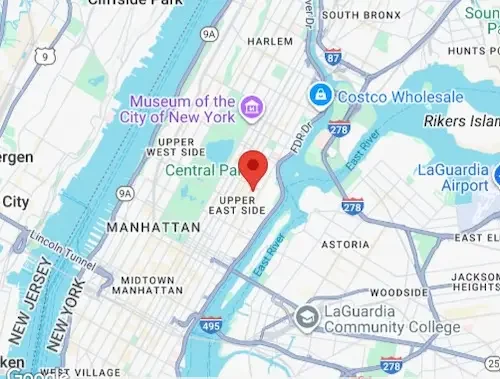
Upper East Side Office - Manhattan
312 E 85th St Suite 1A, New York, NY 10028
Hudson Valley Office - Stone Ridge
Healing Arts Center, 3457 Main St Floor 2, Stone Ridge, NY 12484